
As a plumbing specialist with over 14 years of hands-on experience in Berkeley, I've seen a familiar pattern emerge every summer. The warm, dry weather arrives, windows are opened to catch the breeze, and suddenly, an unpleasant odor starts wafting from a bathroom or laundry room. It’s a common complaint, and while it’s easy to dismiss, that smell is often your plumbing system’s way of telling you something needs attention.
Especially as we head into June, Berkeley’s driest season, certain plumbing issues become more pronounced. That faint odor you might not have noticed during the damp winter can become a persistent problem. The good news is that understanding the source of the smell is the first step toward fixing it. Let's walk through the common signs and causes so you can diagnose what's happening in your home.
Common Signs and Symptoms
The most obvious sign is, of course, the smell itself. But paying attention to the specific characteristics of the odor and other related symptoms can provide valuable clues. Our technicians are trained to look for these patterns during a diagnostic visit.
- A Distinct Sewage or Rotten Egg Odor: This is the classic sign of sewer gas entering your home. It’s often described as smelling like sulfur or rotten eggs. If you're experiencing this Berkeley sewer gas smell, it's a clear indicator that a barrier meant to keep it out has failed.
- Gurgling Sounds from Drains: Do you hear a gurgling or bubbling sound from your sink or shower drain when a nearby toilet is flushed or the washing machine drains? This often points to a gurgling drain vent problem, where air isn't being properly introduced into the system, creating negative pressure.
- Slow Draining Fixtures: A single slow drain might just be a local clog, but if multiple fixtures are draining sluggishly, it could signal a deeper issue in your main drain line or vent system.
- Odor Stronger in Seldom-Used Rooms: If the smell is most noticeable in a guest bathroom or basement utility sink, a dry P-trap is a likely suspect.
- Smell Worsens with an Open Window: While it seems counterintuitive, an open window can sometimes lower the air pressure inside your home, effectively pulling gases up from the drain system if there's an existing fault.
What Causes This Problem
Understanding the root cause is key to finding a lasting solution. While some issues are simple fixes, others require professional equipment and expertise. Here are the most common culprits we encounter for a summer drain odor.
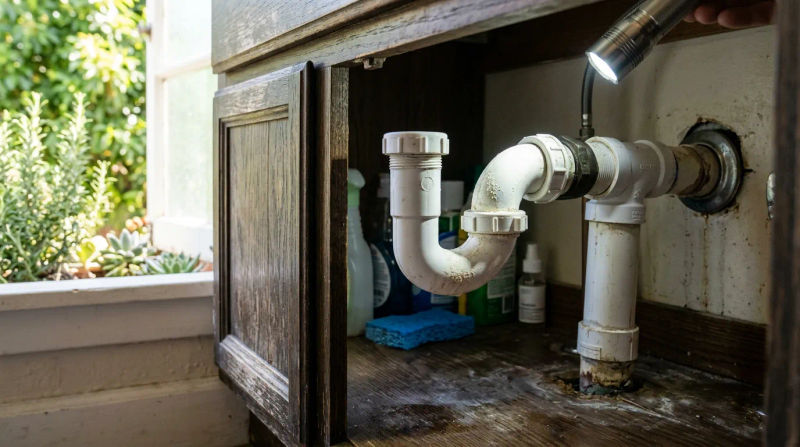
1. The Dry P-Trap Every fixture with a drain - from your sink to your shower - has a U-shaped pipe called a P-trap. Its purpose is to hold a small amount of water that acts as a seal, blocking sewer gas from rising into your home. During Berkeley's long, dry summers, the water in the P-traps of infrequently used drains (like in a guest bathroom or a floor drain in the laundry room) can evaporate. This breaks the seal and is the number one cause of a dry P-trap smell.
2. Clogged or Blocked Plumbing Vents The plumbing vent is a pipe that runs from your drain system up through your roof. It allows sewer gas to safely exit and equalizes atmospheric pressure in the pipes, allowing water to flow smoothly. If this vent gets clogged - with leaves, debris, or even ash during fire season - it can create a gurgling drain vent problem. Air gets trapped and is forced to escape through your drains, bringing odors with it.
3. Organic Buildup in the Pipes Hair, soap scum, grease, and food particles can build up on the walls of your drainpipes. Over time, this gunk begins to decompose, creating a foul-smelling biofilm. The warmer summer temperatures can accelerate this decomposition, making the odor more noticeable.
4. A Failing Toilet Wax Ring Your toilet is sealed to the floor and the drainpipe with a wax ring. If this ring degrades or becomes dislodged (often due to the toilet being loose or wobbly), it can create a gap. This gap allows sewer gas to leak directly from the sewer line into your bathroom, creating a potent and constant Berkeley sewer gas smell.
5. Main Sewer Line Issues This is a more serious problem, particularly in neighborhoods with older homes. Properties in areas like San Leandro and parts of Berkeley with homes built in the 1950s often have original cast iron or clay sewer lines. After 70+ years, these pipes are prone to cracks, corrosion, root intrusion, or developing a sag (a "belly"). A blockage or break in the main line can cause sewage to back up, forcing odors up through every drain in the house.
When to Call a Professional
Some drain odor issues can be resolved with simple DIY steps, while others pose health risks and require an expert.
What You Can Try First:
- Refill Dry P-Traps: Pour a few cups of water down any drain that isn't used regularly. For floor drains, adding a tablespoon of mineral oil after the water can slow evaporation.
- Clean the Sink Overflow: The small hole near the top of your bathroom sink can accumulate gunk. Use a small bottle brush and a mixture of vinegar and baking soda to clean it out.
- Use an Enzyme-Based Cleaner: For general buildup, enzyme cleaners are a safe way to break down organic matter in your pipes without using harsh chemicals that can damage them.
When to Contact a Professional: If you've tried the simple fixes and the odor persists, it's time to call for help. You should contact an experienced professional immediately if you notice:
- Persistent sewer gas smell: This is not something to ignore, as sewer gas can contain harmful components.
- Gurgling from multiple drains: This is a strong sign of a significant vent or main line problem that requires specialized diagnostic tools.
- Multiple slow-draining fixtures: This points to a systemic issue, not a simple clog.
- Water backing up into showers or tubs: This indicates a main line clog that could lead to a messy and unsanitary sewage backup.
Our technicians use a standardized workflow to diagnose these issues efficiently. We often start with a visual inspection and may recommend a sewer camera inspection to see exactly what's happening inside your pipes. For venting issues, a smoke test can pinpoint leaks with precision. This methodical approach ensures we identify the true source of the problem, not just treat a symptom.
Conclusion
A smelly drain, especially during the summer, is more than just a nuisance - it's a signal from your home's plumbing system. While a dry P-trap smell is often a quick fix, persistent odors and gurgling sounds can point to more complex issues like a blocked vent or a failing sewer line, particularly in the many mid-century homes found throughout our area.
Don't wait for a small annoyance to become a major, costly repair. By addressing the signs early, you can protect your home and ensure your plumbing system is functioning safely and efficiently. An ounce of prevention is truly worth a pound of cure when it comes to your drains.
If you notice any of these signs, contact a local plumbing professional for an inspection.