
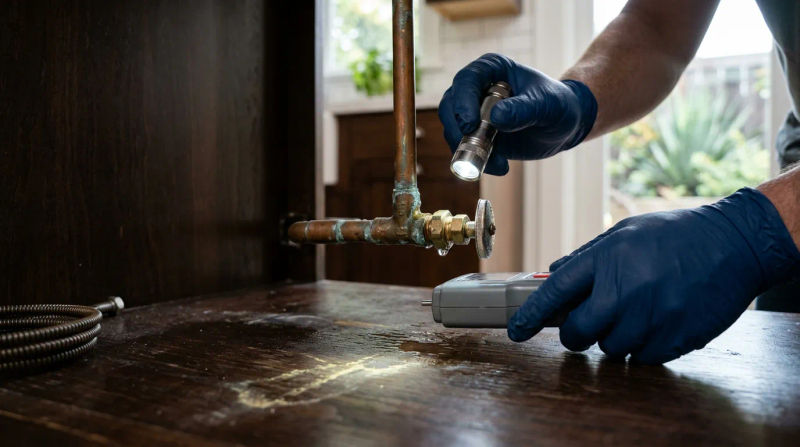
You open your mail, see the envelope from the utility company, and feel a sense of dread. After opening it, your suspicion is confirmed: your Oakland water bill is significantly higher than last month, and you have no idea why. Especially now, as we move into September and outdoor watering is reduced, a sudden spike is a major red flag. If you're asking yourself, "why is my water bill so high in Oakland?" you're not alone. As a plumbing specialist with over 14 years of experience in this area, I've seen this scenario play out in countless homes. The most common culprit isn't a billing error; it's a hidden water leak that's silently draining your pipes - and your wallet.
Fortunately, you can perform several checks to diagnose the problem. A small, persistent leak can waste hundreds of gallons of water per day, leading to not only high bills but also the potential for serious water damage. Let's walk through the signs, causes, and steps to take.
Common Signs and Symptoms
Beyond the bill itself, your home often provides clues that something is amiss. Paying attention to these hidden plumbing leak signs for homeowners can help you pinpoint the issue before it escalates. Here's what our technicians are trained to look for first:
- The Sound of Running Water: When all faucets, toilets, and appliances are off, your home should be silent. If you hear a faint hissing, dripping, or flowing sound, especially near walls or toilets, it’s a strong indicator of a leak.
- A Spinning Water Meter: This is the most definitive test. Locate your water meter, typically in a concrete box near the curb. First, ensure all water is off inside and outside your house. Then, watch the meter. Most have a small triangle or dial (the leak indicator). If it's moving or spinning, even slowly, water is flowing somewhere on your property.
- Warm Spots on the Floor: If you have a concrete slab foundation, a warm spot on the floor can indicate a leak in a hot water line running underneath. This is a serious issue that requires immediate professional attention.
- Visible Mold, Mildew, or Discoloration: Dark spots, bubbling paint, or peeling wallpaper on ceilings, walls, or under cabinets are classic signs of a slow leak. You might also notice a persistent musty or earthy smell.
- Reduced Water Pressure: If a significant leak develops in your main supply line, it can divert a large volume of water, causing a noticeable drop in pressure at your faucets and showerheads.
- Unexplained Lush Patches in Your Yard: During the dry season, if you notice a single patch of grass that is unusually green and healthy compared to the rest of your lawn, it could be a sign of a leak in the underground water line running from the meter to your house.
What Causes This Problem
The diverse housing stock in Oakland, from pre-war Craftsmans to modern remodels, means leaks can stem from a variety of sources. Here are the most common issues we encounter.
The Number One Culprit: The Toilet A running toilet is the leading cause of unexpectedly high water bills. A silent leak, often from a worn-out flapper or a faulty fill valve, can waste over 200 gallons per day without making a sound. Here’s how to check for toilet leaks at home:
- Remove the lid from the toilet tank.
- Add a few drops of food coloring or a dye tablet into the tank water.
- Wait for 15-20 minutes without flushing.
- Check the water in the toilet bowl. If any color has seeped into the bowl, you have a leak. The most common fix is replacing the flapper, a simple rubber part that can degrade over time.
Aging Pipes and Fixtures Many beautiful homes in Oakland neighborhoods like Lincoln Highlands or Oakmore were built in the 1920s and 1930s. While their architectural character is a huge asset, their plumbing systems can be a liability. These pre-1940s homes often contain original galvanized steel pipes. Over decades, these pipes corrode from the inside out, leading to pinhole leaks that can go undetected for months inside walls. Similarly, original shutoff valves under sinks and behind toilets can become brittle. Our crews often find that these old valves either fail to shut off the water completely or break when someone tries to use them for the first time in years.
Hidden Drips and Appliance Connections Slow drips from a faucet, showerhead, or an under-sink connection might seem insignificant, but they add up. A single drip per second can waste over 3,000 gallons per year. Check the cabinet under your kitchen and bathroom sinks for any signs of moisture. Also, inspect the water lines connected to your refrigerator's ice maker, washing machine, and water heater.
Slab Leaks and Main Line Breaks These are less common but far more destructive. A slab leak occurs when a water pipe beneath your home's concrete foundation breaks. Main line breaks happen in the pipe connecting the city meter to your house. Both can cause massive water loss and significant property damage if not addressed quickly by experienced professionals.
When to Call a Professional
Some diagnostic steps are perfect for a homeowner to handle. Performing the toilet dye test, visually inspecting for drips under sinks, and checking your water meter are great first steps. These actions can help you quickly identify or rule out the most common, easy-to-fix issues.
However, you should contact a qualified professional if you encounter any of the following situations:
- Your water meter indicates a leak, but you can't find the source. This suggests the leak is hidden in a wall, underground, or beneath your foundation.
- You see signs of water damage but no obvious source. Professionals use specialized equipment like thermal imaging cameras and acoustic listening devices to pinpoint hidden leaks without needlessly cutting into walls.
- You notice a warm spot on the floor or a sudden drop in water pressure. These are signs of a potentially severe leak that needs immediate expert evaluation.
- You're not comfortable performing repairs. This is especially true in older homes. Attempting to force a corroded valve or tighten an old fitting can sometimes make the problem worse. Our technicians have the experience and proper tools to work on plumbing systems of all ages without causing collateral damage.
Conclusion
An unexpectedly high Oakland water bill is more than just a budget shock - it's a critical warning sign from your home's plumbing system. By using your water meter as a diagnostic tool and checking for common culprits like toilets, you can often get to the root of the problem. Remember the most common hidden plumbing leak signs for homeowners: the sound of running water, visible moisture, and changes in water pressure.
Don't wait for a small leak to become a major disaster. Addressing the issue early not only saves water and money but also protects your home from the costly and disruptive damage that water can cause.
If you notice any of these signs, contact a local Plumbing professional for an inspection.